
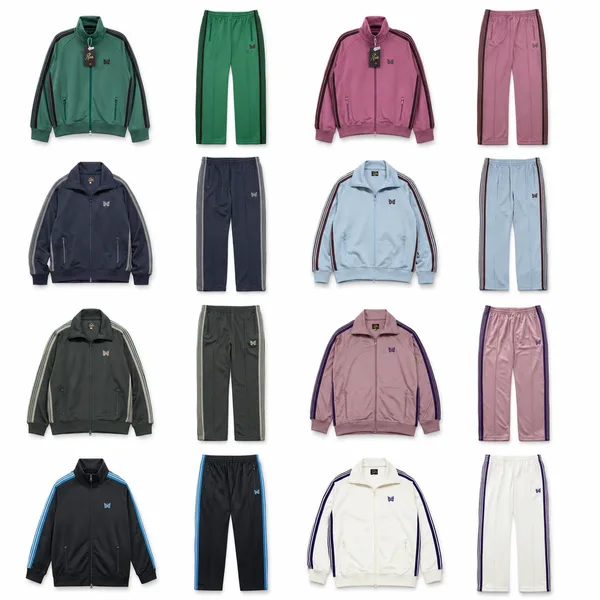
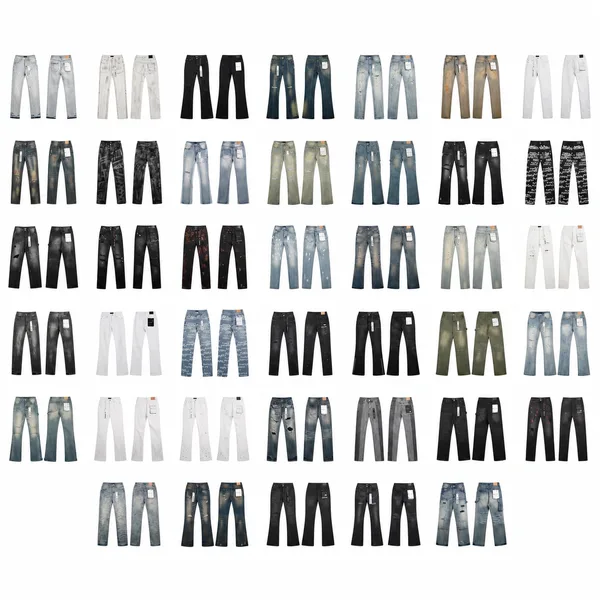
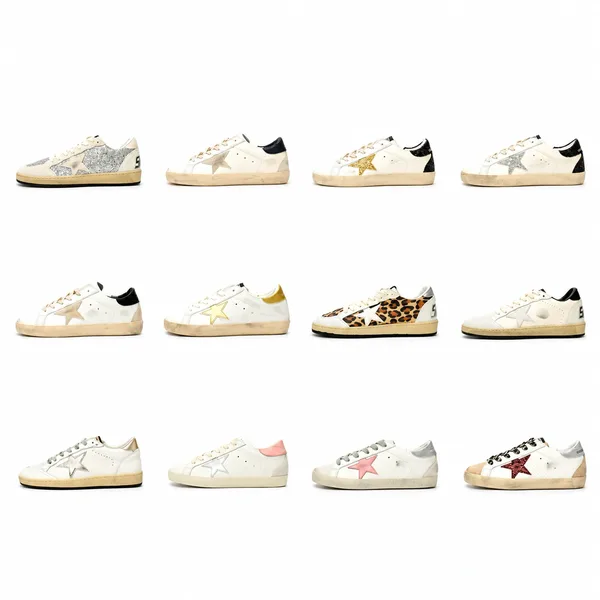
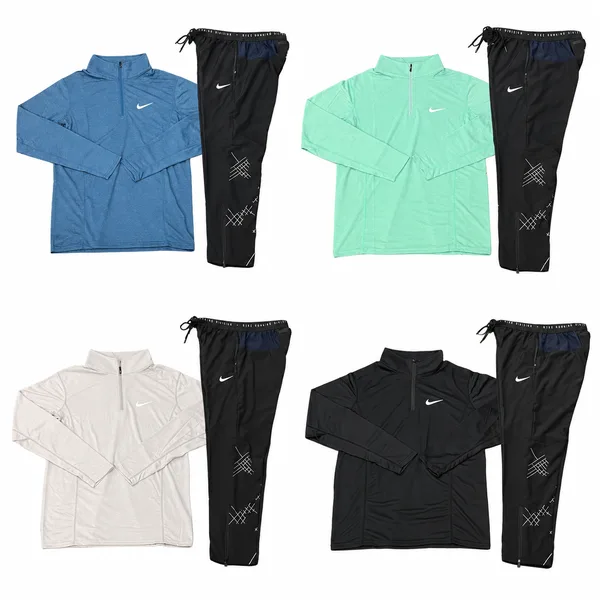
Read the Icelandic overview or the Spanish introduction if you prefer those languages.
A Sugargoo spreadsheet helps you collect product ideas in one place. Its value is not how many links you open, but whether you can return to a particular item, recognise the option you wanted and decide what to check before buying it.
Start with a small shopping brief: the item you need, the fit or dimensions that matter and the amount you can spend on the purchase as a whole. Then choose a category below. Keep the product price separate from the cost of getting your parcel home.
Browse by the item you need
Užsakant į Lietuvą pravers lietuviškas Sugargoo lentelės vadovas, kuriame atskiriami pasirinkimai, siuntimas ir vietinės importo išlaidos.
Eestisse tellides alusta eestikeelsest Sugargoo arvutustabeli juhendist, mis eristab tootevalikut, veokulu ja kohalikke impordireegleid.
Pasūtījumiem uz Latviju izmanto latviešu Sugargoo izklājlapas ceļvedi, kurā atdalīta preces izvēle, piegāde un vietējie importa maksājumi.
Pentru Moldova, folosește ghidul românesc pentru foaia Sugargoo, care separă alegerea produsului, transportul și documentele vamale.
Shopping from New Zealand? The New Zealand spreadsheet guide separates product selection from local arrival costs and import checks.
| Category | Browse products | First comparison to make |
|---|---|---|
| Shoes | Browse shoes | Size information and intended use |
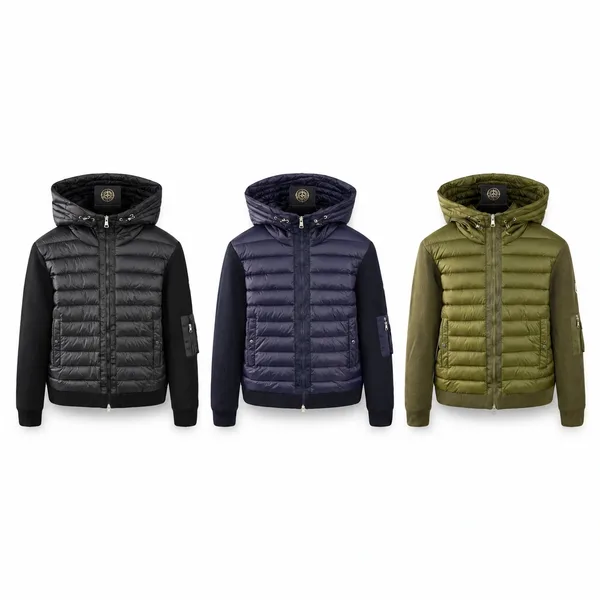
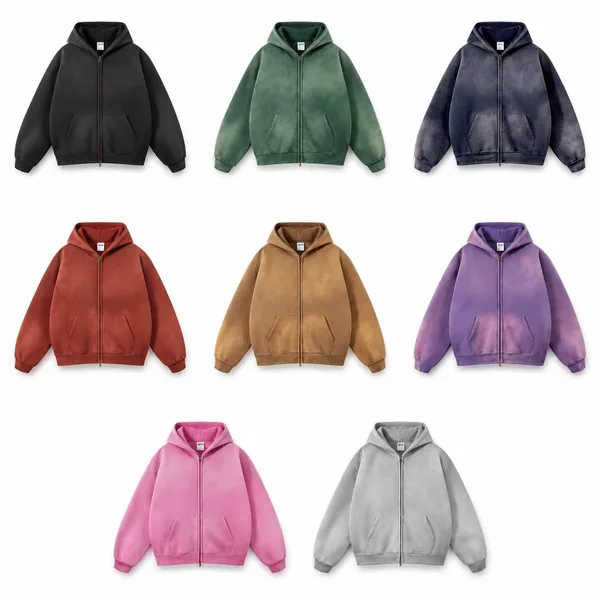
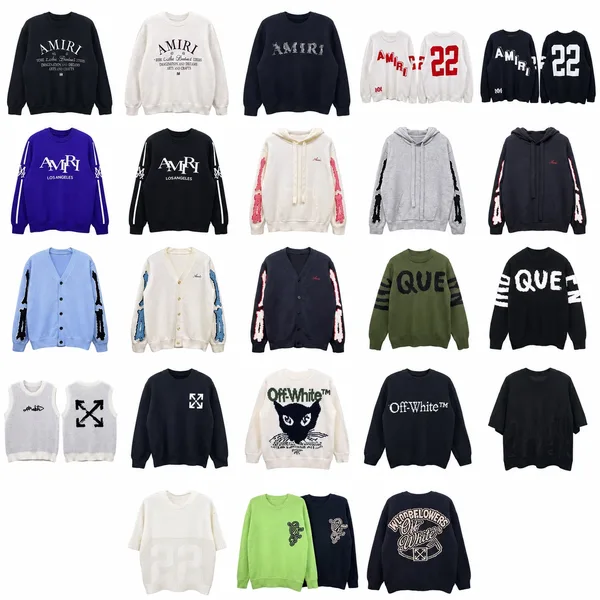
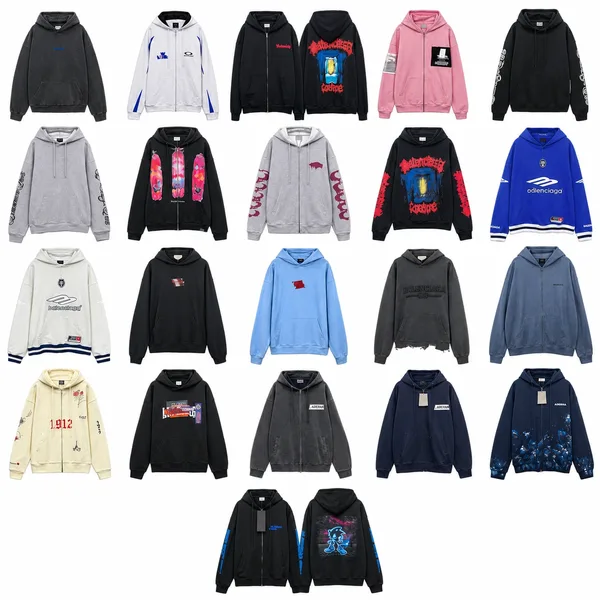
| Hoodies and sweaters | Browse layers | Body length and room over another layer |
| T-shirts | Browse T-shirts | Width, length and print placement |
| Jackets | Browse jackets | Shoulders, sleeves and fastening |
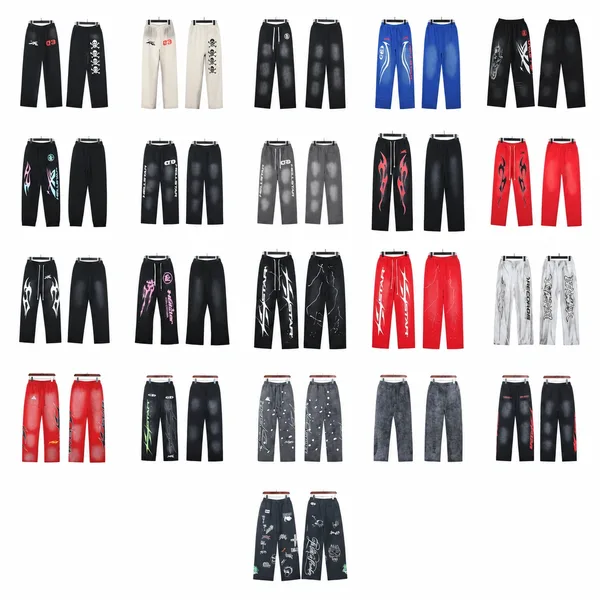
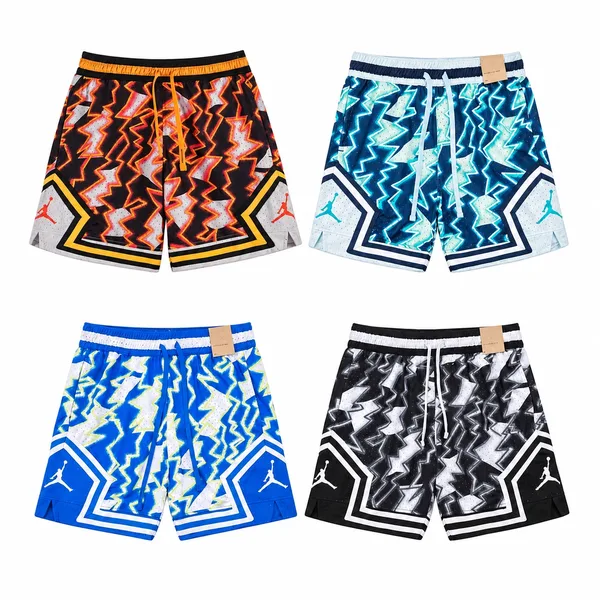
| Pants and shorts | Browse bottoms | Waist and inseam measured consistently |
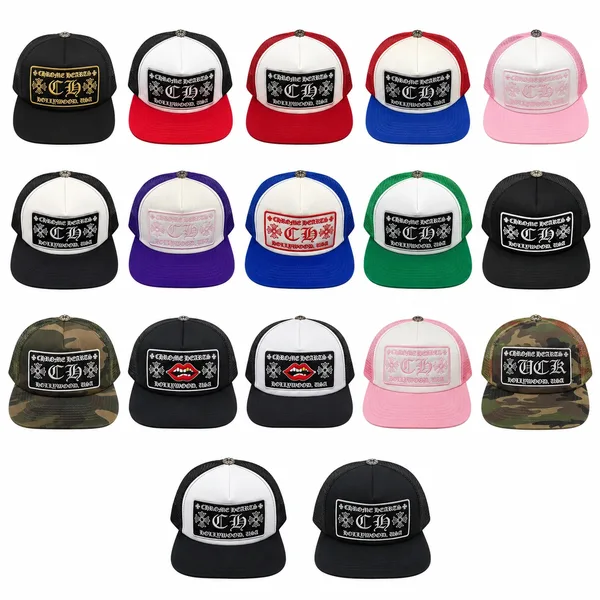
| Headwear | Browse headwear | Fit range and adjustment |
| Sets | Browse sets | Included pieces and each piece's size |
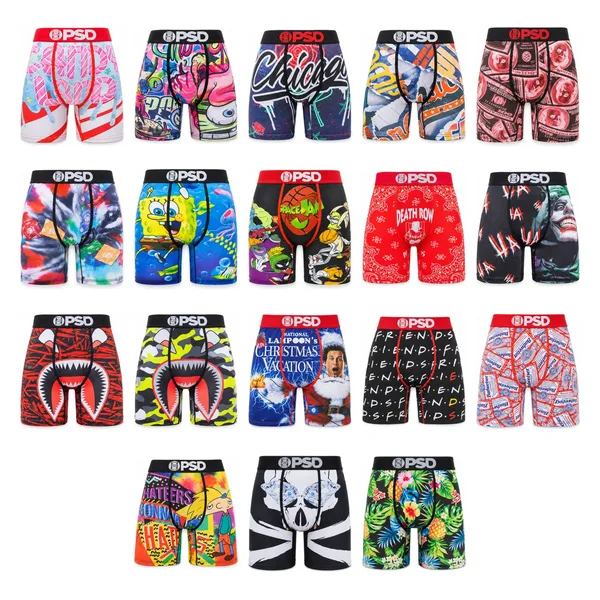
| Underwear | Browse underwear | Size and pack quantity |
| Jerseys | Browse jerseys | Version, cut and selected details |
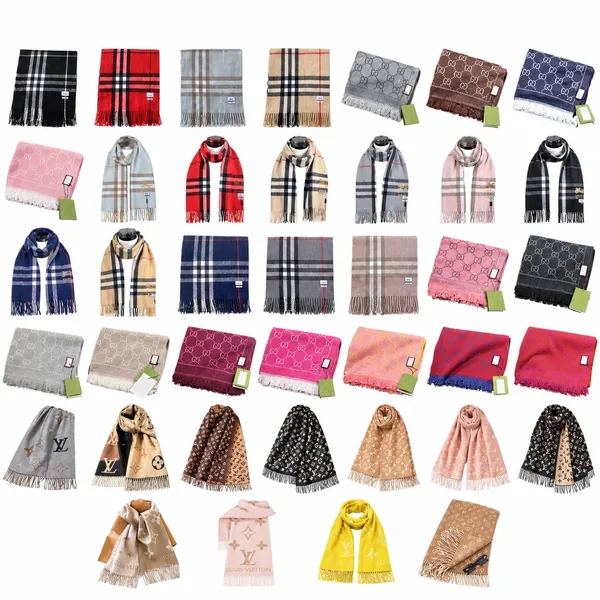
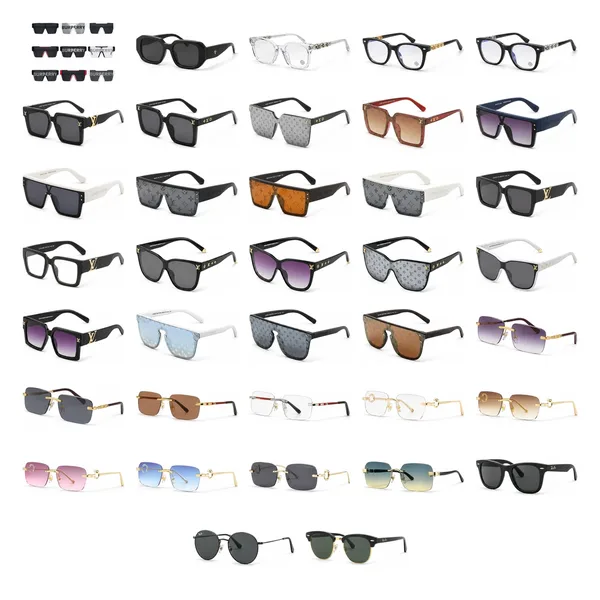
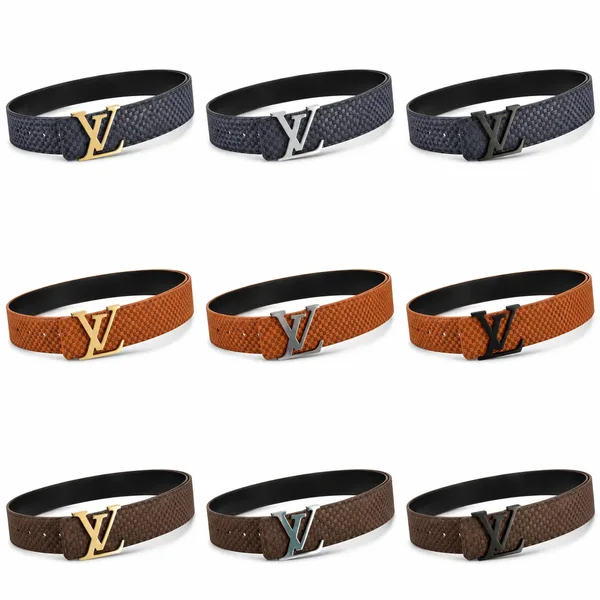
| Accessories | Browse accessories | Dimensions and usable space |
| Other items | Browse other products | The feature that determines suitability |
Prefer one concrete starting point? Open the contrast-collar polo in the product catalog. Compare its selected option with a polo you already wear comfortably. A product photograph helps you judge the look; it does not establish the measurements of your chosen size or the condition of an item you have not received.
Five guides for five different decisions
The main Sugargoo spreadsheet questions belong together, but they are not interchangeable:
- Best Sugargoo spreadsheet: decide whether a collection actually makes product comparison easier.
- Sugargoo spreadsheet links: keep the product address and selected option together when offers change.
- Sugargoo spreadsheet guide: organise the steps between choosing a product and arranging a parcel.
- Sugargoo spreadsheet review: separate what a buyer experienced from what it means for your purchase.
- Sugargoo spreadsheet safety: check account access, payment requests and shopping links separately from product quality.
Use this page as your shopping index. Follow the guide that answers the next decision rather than reading every page before choosing a single candidate.
Build a shortlist you can understand tomorrow
Save the item name, link, colour, size, quantity and price currency. Add one short reason for keeping it. “Sleeve length looks close to my current jacket” is more useful than “nice jacket” because it tells you what to verify next.
Keep an unanswered question next to the item if it could change your choice. For a bag, that might be the internal space available for your everyday essentials. For a set, it might be whether both pieces use the same size selection. Avoid filling the shortlist with near-identical options that all leave the same question unanswered.
When an option is ruled out, keep the reason until you finish the purchase. This saves you from selecting it again after forgetting why it did not fit your needs.
Compare the same measurement, not just the size label
A size letter is a starting point, not a complete fit description. Lay out a comparable garment that fits and measure the points relevant to the new item. Match the measurement method: flat width and body circumference are different quantities, and sleeve measurements can start at different places.
For a hypothetical example, a comfortable shirt measuring 54 cm across the chest and a candidate measuring 58 cm across the same points differ by 4 cm in flat width. That difference is not automatically good or bad. Consider the cut you want and whether the measurements were taken consistently before deciding.
Do not copy measurements from an old product into a replacement listing simply because the photographs look alike. Recheck the replacement as a new candidate.
Know which price you are comparing
The cheapest number on a listing may refer to another option or pack size. Select the intended item and quantity before saving a price. Keep the original currency visible even if you make a separate conversion for your budget.
Suppose two hypothetical choices cost 28 and 34 in the same currency. If their separately estimated shipping allocations were 19 and 10, their partial totals would be 47 and 44. These are arithmetic examples, not product prices or shipping quotes. They show why an item-price comparison alone can reverse once other costs are considered.
Do not turn an allocation into a confirmed parcel charge. The actual contents, packaging and applicable service determine the comparison you need when arranging shipment. Keep any other applicable charges separate unless the offer explicitly includes them.
Use pictures to answer a question
A presentation image shows how a product is being offered. An inspection image should correspond to a particular item or option. A buyer's photograph shows that buyer's example. Treating all three as identical can lead you to rely on a picture that does not describe your purchase.
Ask what you need to see: an overall view for the pieces included, a close-up for a seam or a clearly framed measurement for length. Repeated images from almost the same angle may add less than one well-chosen detail.
If you share pictures to ask for advice, remove names, delivery details, account information and readable parcel codes. Keep enough product context for the question to make sense.
Before you move from browsing to buying
Reopen the selected offer, confirm the option and check what the payment covers. Keep the first product decision separate from later inspection and parcel decisions. If an unexpected payment message arrives, verify it independently rather than trusting it just because you are waiting for a package.
Your shortlist is ready to be useful when each item has a clear identity and a next action. It does not need hundreds of entries, and it should not turn unanswered questions into assumptions.
Frequently asked questions
Is a Sugargoo spreadsheet the checkout?
A collection of links and the service processing a purchase have different roles. Follow the destination and read the selected option and payment summary before entering an order.
Does a large collection mean better products?
The number of entries tells you the collection's size. Product suitability still depends on the particular option, measurements and information available.
Can I reuse last month's shortlist?
Yes, as a starting point. Reopen the offers and confirm the variants and prices again before relying on them.
Will another buyer's shipping bill tell me my total?
It can suggest questions to ask, but it is not your quote. Compare destination, parcel contents, dimensions, date and what the bill includes.